Shop our best deals online.
Shop Now
Bamboo Flooring Pros and Cons: Eco-Friendly Edition
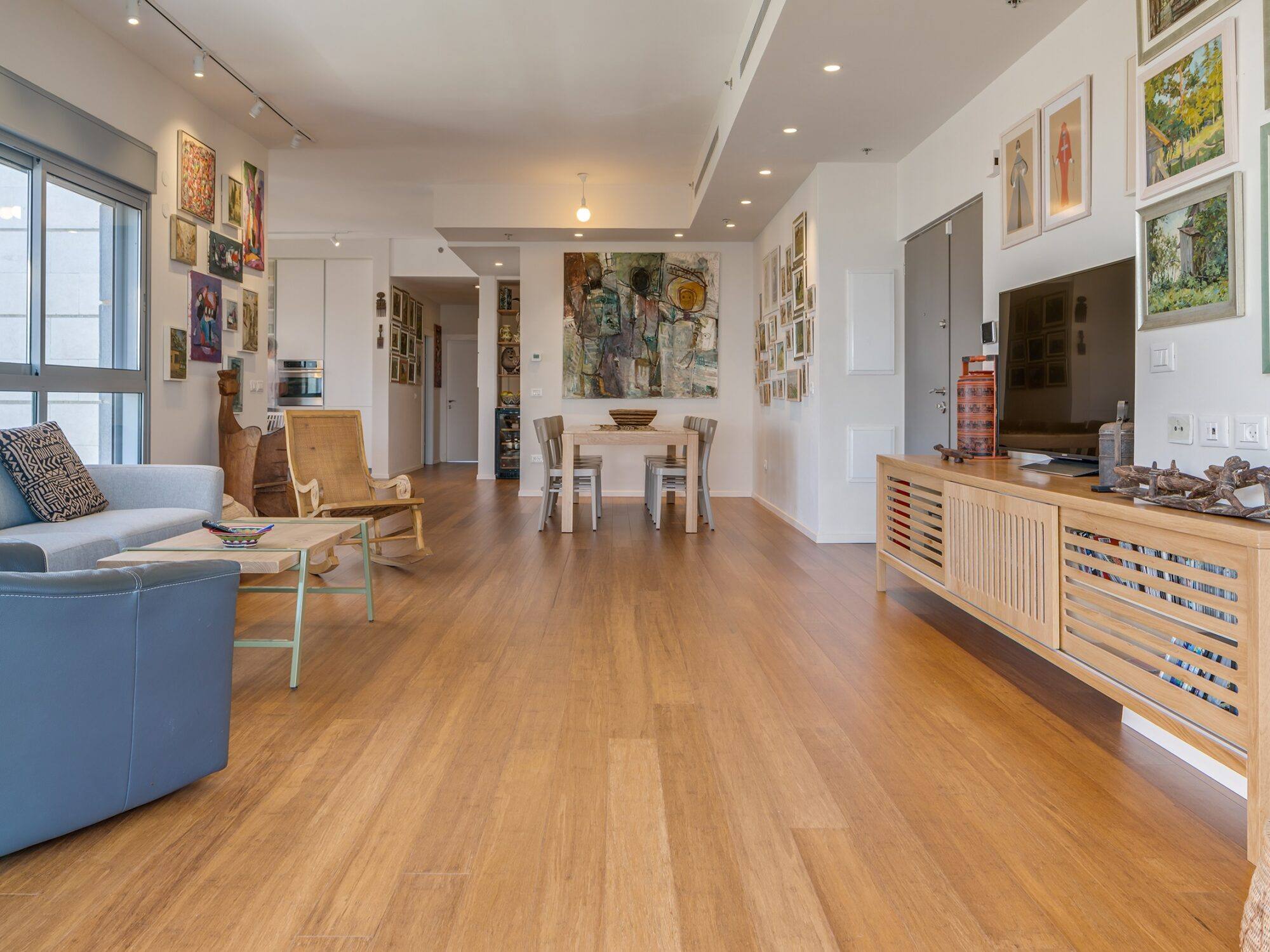
Table of Contents
- 1 What Is Bamboo Flooring and Why Is It Popular?
- 2 What Are the Types of Bamboo Flooring?
- 3 How Durable Is Bamboo Flooring?
- 4 Is Bamboo Flooring Eco-Friendly?
- 5 What Does Bamboo Flooring Cost?
- 6 How Easy Is Bamboo Flooring to Maintain?
- 7 What Are the Drawbacks of Bamboo Flooring?
- 8 How Does Bamboo Compare to Hardwood Flooring?
- 9 What Are the Installation Options for Bamboo Flooring?
- 10 Is Bamboo Flooring Comfortable Underfoot?
- 11 Which Rooms Are Best Suited for Bamboo Flooring?
- 12 Frequently Asked Questions (FAQs)
Bamboo flooring is becoming an increasingly popular choice among homeowners seeking sustainable, stylish, and durable alternatives to traditional hardwood. But is bamboo the right fit for your home? This guide explores the pros and cons of bamboo flooring from an eco-conscious perspective, helping you make a well-informed decision.
What Is Bamboo Flooring and Why Is It Popular?
Bamboo flooring is made from the fast-growing bamboo grass. It is processed into planks that resemble traditional hardwood floors in look and feel but offer unique benefits.
The popularity of bamboo comes from its natural aesthetic, renewable sourcing, and impressive strength.
What Are the Types of Bamboo Flooring?
There are three primary types of bamboo flooring: horizontal, vertical, and strand-woven. Each type offers different appearances and durability levels.
- Horizontal Bamboo: Shows the bamboo’s natural nodes for a traditional look.
- Vertical Bamboo: Offers a sleeker, cleaner grain.
- Strand-Woven Bamboo: Extremely tough, ideal for high-traffic areas.
You can explore different flooring styles including bamboo on our shop page.
How Durable Is Bamboo Flooring?
Strand-woven bamboo ranks between 3,000–5,000 on the Janka hardness scale, making it tougher than many hardwoods.
Strand-woven bamboo resists dents, heavy foot traffic, and pets. This durability makes it ideal for families and homes with pets. For more durable options, see our SPC flooring collection.
Is Bamboo Flooring Eco-Friendly?
Yes, but with caveats. Bamboo regenerates in 3–5 years and requires less water and pesticides compared to trees. However, not all bamboo flooring is created equally.
Pros:
- Bamboo is a rapidly renewable resource.
- It sequesters more carbon than many hardwood trees.
Cons:
- Some imported bamboo flooring contains VOCs like formaldehyde.
- Deforestation may occur due to mass cultivation.
Look for products labeled low-VOC and sustainably sourced. Visit our eco-conscious flooring guide for more tips.
What Does Bamboo Flooring Cost?
On average, bamboo flooring costs $2–$6 per square foot. Premium strand-woven options cost more but last longer.
Bamboo flooring provides affordable elegance compared to hardwood. Installation can range from $3–$5 per square foot. For a full breakdown of costs, visit our flooring installation guide.
How Easy Is Bamboo Flooring to Maintain?
Bamboo flooring is relatively low-maintenance if you follow a few simple guidelines:
- Sweep or vacuum regularly.
- Use a damp mop (never wet).
- Avoid harsh chemicals.
Bamboo floors require simple but consistent maintenance. If you’re comparing cleaning efforts with other materials, our article on low-maintenance flooring options can help.
What Are the Drawbacks of Bamboo Flooring?
Despite its many benefits, bamboo does come with some potential downsides:
- Moisture Sensitivity: Bamboo can swell or shrink with humidity changes.
- Surface Scratches: Although tough, the surface can scratch under sharp objects.
- Sun Fading: Prolonged UV exposure can discolor bamboo.
Place mats in high-traffic zones and use UV-filtering window treatments to minimize these effects.
How Does Bamboo Compare to Hardwood Flooring?
Bamboo and hardwood offer similar aesthetics but differ in origin, sustainability, and performance.
| Feature | Bamboo | Hardwood |
| Source | Grass (renewable) | Trees (slow-growing) |
| Hardness | Very high (strand-woven) | Varies by species |
| Moisture Sensitivity | Higher | Moderate |
| Eco-friendliness | High | Low to medium |
What Are the Installation Options for Bamboo Flooring?
Bamboo flooring can be installed in three main ways:
- Nail-Down: Used for solid bamboo planks.
- Glue-Down: Common in engineered bamboo.
- Floating: Ideal for DIYers and easy maintenance.
If you’re interested in self-installation tips, explore our DIY flooring section.
Is Bamboo Flooring Comfortable Underfoot?
Yes, bamboo is slightly softer underfoot than tile or stone. Using underlayment pads improves comfort and reduces noise.
Bamboo flooring provides moderate comfort with proper insulation. For added comfort, check out our engineered flooring options that offer similar benefits.
Which Rooms Are Best Suited for Bamboo Flooring?
Bamboo is ideal for living rooms, bedrooms, and hallways. Avoid basements or bathrooms unless you use engineered bamboo specifically designed for moisture resistance.
For more inspiration, browse our room-by-room flooring ideas.
Frequently Asked Questions (FAQs)
Is bamboo flooring better than hardwood for eco-conscious homeowners?
Yes. Bamboo grows much faster than traditional hardwoods, uses fewer resources, and absorbs more carbon during growth. This makes bamboo a highly renewable, eco-friendly option that aligns well with sustainable living goals for environmentally conscious homeowners.
Can bamboo flooring handle pets and kids?
Strand-woven bamboo is very durable and highly resistant to scratches and dents. Its strength makes it ideal for households with children and pets, providing a tough, long-lasting floor that maintains its appearance despite active lifestyles.
Does bamboo flooring add value to your home?
Bamboo flooring can increase home value by offering an attractive, unique, and eco-friendly alternative to traditional wood floors. Proper installation and maintenance enhance its longevity and appeal, making it a valuable investment that many buyers find desirable.
Can I install bamboo flooring in kitchens?
Yes, bamboo flooring can be installed in kitchens but with care. Engineered bamboo is preferred due to better moisture resistance. Spills should be wiped promptly to avoid damage, helping maintain the floor’s durability and appearance in this high-traffic area.
Is all bamboo flooring non-toxic?
Not all bamboo flooring is non-toxic. To ensure healthy indoor air quality, select products certified as low-VOC or compliant with CARB Phase 2 standards. These certifications guarantee reduced harmful emissions and safer living environments for your family.
Conclusion: Is Bamboo Flooring Right for You?
If you’re looking for sustainable, stylish, and durable flooring, bamboo may be your perfect match. Just be sure to choose high-quality, low-VOC products and consider room placement carefully. Browse our complete bamboo flooring collection to get started.


