Shop our best deals online.
Shop Now
How to Pick Solid or Engineered Hardwood Flooring for Living Spaces
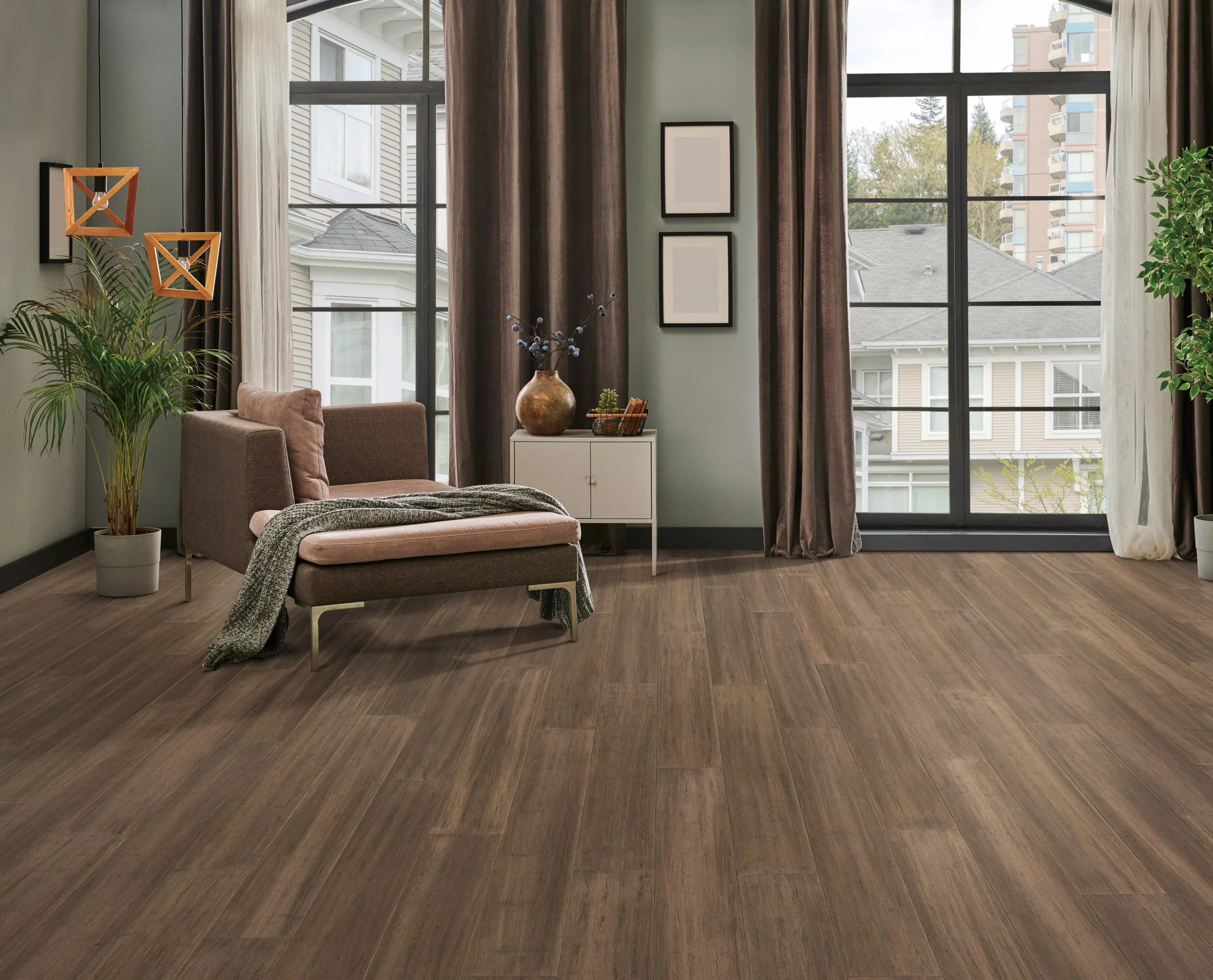
Table of Contents
- 1 Understanding Solid and Engineered Hardwood Flooring
- 2 Popular Wood Species for Hardwood Flooring
- 3 Installation Options and Considerations
- 4 Plank Size, Thickness, and Design Choices
- 5 Hardwood Flooring Features for Busy Living Spaces
- 6 Hardwood Floor Finishes
- 7 Maintenance and Care for Hardwood Floors
- 8 Comparing Solid and Engineered Hardwood for Different Living Spaces
- 9 Conclusion: Make an Informed Choice for Timeless Living Spaces
- 10 FAQs
Choosing the right flooring for your living spaces can have a significant impact on the aesthetic, comfort, and long-term value of your home. Among the most popular and timeless options is solid & engineered hardwood flooring, which brings a combination of elegance, durability, and warmth to any interior. With the variety of premium wood species available, from oak to maple, walnut and cherry, homeowners have an extensive palette to create a living space that reflects their style while also offering long-term performance.
In this article, we’ll explore the differences between solid hardwood flooring and engineered hardwood flooring, discuss the benefits and limitations of each, cover various hardwood floor finishes, and provide guidance for selecting the ideal floor for your living spaces.
Understanding Solid and Engineered Hardwood Flooring
Solid hardwood flooring is made from a single, solid piece of wood. It is renowned for its durability, natural beauty, and the ability to be sanded and refinished multiple times. Common species include oak, maple, hickory, birch, pecan, American beech, cherry, and pine. Solid hardwood provides a rich, authentic appearance and is often used in premium or traditional living spaces.
On the other hand, engineered hardwood flooring consists of a veneer hardwood layer atop multiple layers of plywood or high-density fiberboard (HDF). This construction gives it enhanced moisture resistance compared to solid wood, making it suitable for areas where humidity or minor water exposure may be a concern. Engineered planks can also come in wide-plank flooring or rustic reclaimed wood styles for a distinctive, contemporary look.
Both types of flooring offer the charm and warmth of wood, but the choice depends on your specific room conditions, installation preferences, and long-term maintenance considerations.
Popular Wood Species for Hardwood Flooring
The choice of wood species plays a crucial role in determining the look, durability, and hardness of your flooring. Some popular options include:
- Oak Hardwood Flooring: A classic choice with natural grain patterns, available in red or white oak. Oak is highly durable and works well in living spaces.
- Maple and Birch: Known for light tones and subtle grains, ideal for modern or minimalist interiors.
- Walnut, Cherry, and American Beech: Provide deep, rich colors that bring a sense of luxury.
- Hickory and Pecan: Offer rustic, durable options with unique grain patterns.
- Pine: Softer wood that develops character over time but may show scratches more easily.
Choosing the right wood species will influence hardwood finishes and your long-term satisfaction with the flooring.
Installation Options and Considerations
The installation method is another critical factor when selecting solid or the engineered hardwood flooring.
Solid hardwood flooring typically requires nail-down installation or glue-down installation over a subfloor. It is best suited for below-grade areas that are dry and stable. Unfinished hardwood allows for custom staining and finishing, while prefinished hardwood offers convenience and a faster installation process.
Engineered hardwood flooring offers more versatility in installation:
- Floating floor: Uses click-lock planks that snap together without glue or nails, perfect for DIY projects.
- Glue-down installation: Ensures strong adhesion, often used for commercial or high-traffic areas.
- Nail-down installation: Works well when installing over plywood subfloors.
DIY enthusiasts often prefer engineered hardwood flooring for its simpler installation and compatibility with multiple subfloor types, while solid hardwood may require professional installation due to its weight and sensitivity to moisture.
Plank Size, Thickness, and Design Choices
The dimensions and design of the planks also impact the room’s aesthetics and functionality:
- Plank thickness: Solid hardwood is generally thicker than engineered planks, allowing multiple sanding cycles.
- Plank width and length: Wide-plank flooring can create a modern, luxurious look, while standard-width planks are more traditional.
- Patterned layouts: Herringbone, chevron, and straight layouts affect the flooring design and visual flow of the room.
Selecting the right plank thickness and width is crucial for ensuring durability, sound absorption, and the desired visual impact in your living space.
Hardwood Flooring Features for Busy Living Spaces
High-traffic areas like living rooms require durable flooring that can handle everyday wear while maintaining its beauty. Solid or engineered hardwood flooring offers:
- Scratch resistance: Especially important for pets or families with children.
- Moisture resistance: Engineered hardwood is better for areas with potential foot traffic or minor scratches.
- Sound and acoustic properties: Hardwood floors help reduce echo and provide a warm feel underfoot.
- Longevity: Both types can last decades with proper care, though engineered hardwood flooring is more dimensionally stable in varying conditions.
Selecting flooring with the right hardwood finishes and protective coatings enhances durability and reduces maintenance.
Hardwood Floor Finishes
The choice of hardwood floor finishes influences color, texture, and protection:
- Oil-based finishes: Deepen wood tone and enhance natural grain patterns, providing a warm, classic look.
- Water-based finishes: Low VOCs, quick-drying, and ideal for eco-conscious homes.
- Matte, satin, and gloss options: Affect the reflection of light and perceived room size.
Choosing the right finish ensures your hardwood oak flooring or other premium wood species looks great while resisting scratches, moisture, and everyday wear.
Maintenance and Care for Hardwood Floors
Proper care prolongs the life and beauty of both solid and engineered hardwood flooring:
- Regular cleaning: Sweep or vacuum to remove dirt and grit that can scratch the surface.
- Spot cleaning: Use mild cleaners suitable for hardwood oak flooring to prevent damage.
- Sanding and refinishing: Solid hardwood can be refinished multiple times, while engineered hardwood may allow one or two refinishing cycles depending on veneer thickness.
- Protective measures: Use area rugs, furniture pads, and avoid standing water to maintain durability.
Routine maintenance ensures that your luxury hardwood floor finishes retain their aesthetic appeal over time.
Environmental Impact and Sustainability
Modern homeowners are increasingly considering the environmental impact of their flooring choices:
- Sustainable hardwood: Both solid and engineered options can be sourced from certified forests.
- Low VOC finishes: Reduce emissions and promote healthier indoor air quality.
- Reclaimed wood options: Rustic reclaimed wood adds character and reduces environmental footprint.
Choosing sustainable hardwood flooring not only benefits the environment but also adds value to your home, enhancing real estate value in the long term.
Comparing Solid and Engineered Hardwood for Different Living Spaces
- Living Rooms: Both options work well, but solid hardwood gives a luxurious feel and can be refinished for decades.
- Bedrooms and Hallways: Both types are suitable, though engineered hardwood may reduce noise due to floating floor systems.
Understanding your living space requirements ensures the perfect choice of solid or engineered hardwood flooring for your San Jose home.
Conclusion: Make an Informed Choice for Timeless Living Spaces
Whether you select solid or engineered hardwood flooring, your choice impacts the style, comfort, and longevity of your living spaces. With options like oak hardwood flooring, hardwood oak flooring, and a range of hardwood floor finishes, you can customize your floors for both aesthetics and durability.
AtFlooring Outlet & More, we offer an extensive selection of hardwood oak flooring, solid and engineered hardwood floors, and a variety of hardwood finishes. Our team helps you select the ideal plank size, wood species, and installation method, providing professional guidance and installation services to ensure your floors look perfect and last for decades.
Explore our hardwood flooring collection today to find the perfect solid or engineered hardwood flooring solution for your home.
FAQs
1. What is the difference between solid and engineered hardwood flooring?
Solid hardwood flooring is made from a single piece of wood, offering longevity and multiple refinishes. Engineered hardwood flooring features a veneer hardwood layer on plywood or HDF, providing improved moisture resistance and stability in varying conditions.
2. Is oak hardwood flooring a good choice for living rooms?
Yes, oak hardwood flooring is durable, visually appealing, and versatile for any design style. Its natural grain patterns enhance aesthetics, and when combined with quality hardwood floor finishes, it can withstand high traffic, pets, and daily use.
3. Can engineered hardwood be refinished like solid hardwood?
Engineered hardwood can be refinished, but the number of times depends on the veneer thickness. Solid hardwood allows multiple refinishes, making it ideal for long-term use, whereas engineered hardwood provides easier installation and stability in high-traffic areas.
4. How do hardwood floor finishes affect maintenance?
Hardwood floor finishes protect against scratches, stains, and wear. Oil-based finishes deepen wood tones, while water-based finishes are low-VOC and easier to maintain. Choosing the right finish enhances durability, reduces cleaning needs, and preserves the floor’s natural beauty.


