Shop our best deals online.
Shop Now
How Can You Glue Down Solid Hardwood Flooring Without Damage
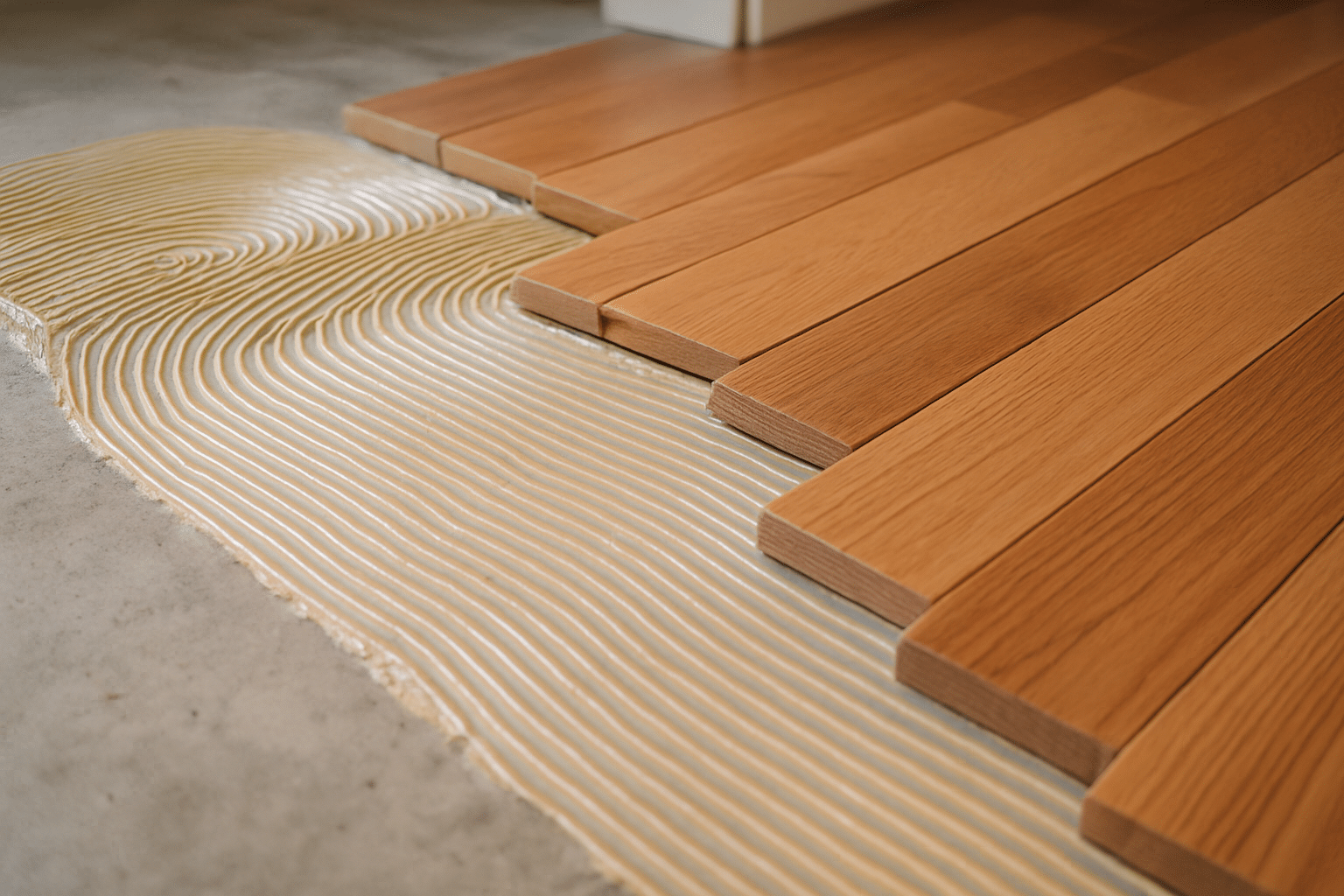
Table of Contents
- 1 What is Solid Hardwood Flooring?
- 2 Why Choose Glue-Down Installation for Solid Hardwood Flooring?
- 3 The Realities of Gluing Solid Hardwood Flooring
- 4 Preparing for Glue-Down Hardwood Installation
- 5 Step-by-Step Guide to Gluing Solid Hardwood Floors
- 6 Common Mistakes to Avoid When Gluing Down Solid Hardwood Flooring
- 7 When Should You Avoid Gluing Down Solid Hardwood Flooring?
- 8 Conclusion: Is Gluing Solid Hardwood Flooring the Right Choice for You?
- 9 FAQs
When it comes to hardwood flooring installation, the traditional method of nailing down your planks is often the first thing that comes to mind. However, in recent years, the glue-down method has gained traction, especially for certain types of subfloors and environmental conditions. If you’re considering solid hardwood flooring for your space, you may be wondering, “Can I glue it down?” The answer is yes, but there are a number of important factors and steps to consider before jumping into this type of installation.
In this article, we’ll take you through everything you need to know about gluing down solid hardwood flooring, from why it’s a viable choice to the tools, preparation, and methods required for success. Let’s explore the advantages, potential challenges, and step-by-step instructions to help you make an informed decision.
What is Solid Hardwood Flooring?
Solid hardwood flooring is made from a single piece of natural wood, offering timeless beauty and durability. It’s available in various wood species such as oak, maple, and walnut, and is known for its natural grain patterns and strength. Ideal for high-traffic areas, solid hardwood can be sanded and refinished multiple times, allowing it to maintain its appearance for decades, making it a long-lasting and valuable flooring choice.
Why Choose Glue-Down Installation for Solid Hardwood Flooring?
Glue-down installation provides several benefits over the traditional nail-down approach, but it’s important to understand why this method is preferred in some cases.
- Durability and Stability:
Gluing your hardwood flooring down provides a solid bond to the subfloor, making it highly stable. This is particularly beneficial in areas with high foot traffic, such as living rooms, kitchens, or hallways, as it can reduce the risk of the planks moving over time. - Faster Installation:
While glue-down installations require precise application, they are often quicker than nailing down hardwood floors. This is particularly useful if you have limited time or need to finish a project quickly. - Ideal for Certain Subfloors:
Glue-down methods are particularly suited for concrete subfloors or those with radiant heating systems. Nails and staples are less effective on concrete, which is why gluing provides a much stronger, more durable hold. - Enhanced Soundproofing:
Glue-down installation can help absorb sound better than traditional nail-down methods. If you’re concerned about noise, especially in multi-floor homes or apartments, this method can reduce the impact sound between floors.
The Realities of Gluing Solid Hardwood Flooring
While there are clear benefits to gluing solid hardwood flooring, it’s essential to acknowledge some potential challenges.
- Subfloor Condition:
For a successful glue-down installation, the subfloor must be hard, flat, and dry. If your subfloor is uneven or has excessive moisture, the glue will not adhere properly, and you could experience problems down the line. - Moisture Sensitivity:
Moisture testing is a critical step when gluing down solid hardwood. Wood naturally expands and contracts with moisture, and excess moisture can affect both the adhesive bond and the wood itself. A calcium carbide test can help you check the residual moisture levels in your subfloor before proceeding. - Not Suitable for All Areas:
Gluing is generally not recommended for high-moisture areas such as bathrooms or basements. If you have a space prone to humidity or water exposure, gluing down hardwood might not be the best solution.
Preparing for Glue-Down Hardwood Installation
Preparation is key to a successful glue-down installation. Here’s what you need to know.
Acclimating the Hardwood
Before you even think about applying glue, the hardwood needs to be properly acclimatized to the room. This process involves letting the wood planks adjust to the room’s temperature and climate for 48-72 hours. This ensures that the wood will expand or contract naturally after installation and helps avoid problems with gaps or warping after the flooring is down.
Subfloor Preparation
The subfloor is the foundation of your installation, and its condition is crucial for a successful outcome. It must be smooth, flat, and dry to ensure that the adhesive bonds correctly. You’ll also need to perform moisture testing, a calcium carbide test can help determine if there is too much moisture in the subfloor. Too much moisture will compromise the adhesive bond and cause the wood to warp or shift over time.
Cleaning the subfloor is also essential. Remove all dirt, dust, and debris, as these can interfere with the glue’s bonding process. Additionally, ensure the subfloor is level. If there are any bumps or imperfections, you may need to use a sandbag or leveling compound to smooth out the surface.
Selecting the Right Adhesive
Not all adhesives are created equal. For solid hardwood flooring, you’ll need an adhesive that is specifically designed for wood and concrete floors. There are two main types of glue to consider: urethane-based and water-based adhesives. Bostik’s BEST® is an excellent choice offering excellent strength and moisture resistance, making them ideal for high-traffic areas or installation over concrete subfloors. Make sure to choose the adhesive that suits your specific needs and subfloor.
Step-by-Step Guide to Gluing Solid Hardwood Floors
Now that the preparation is out of the way, here’s a detailed, step-by-step guide to help you install your hardwood floors using the glue-down method.
Step 1: Pre-Installation Preparation
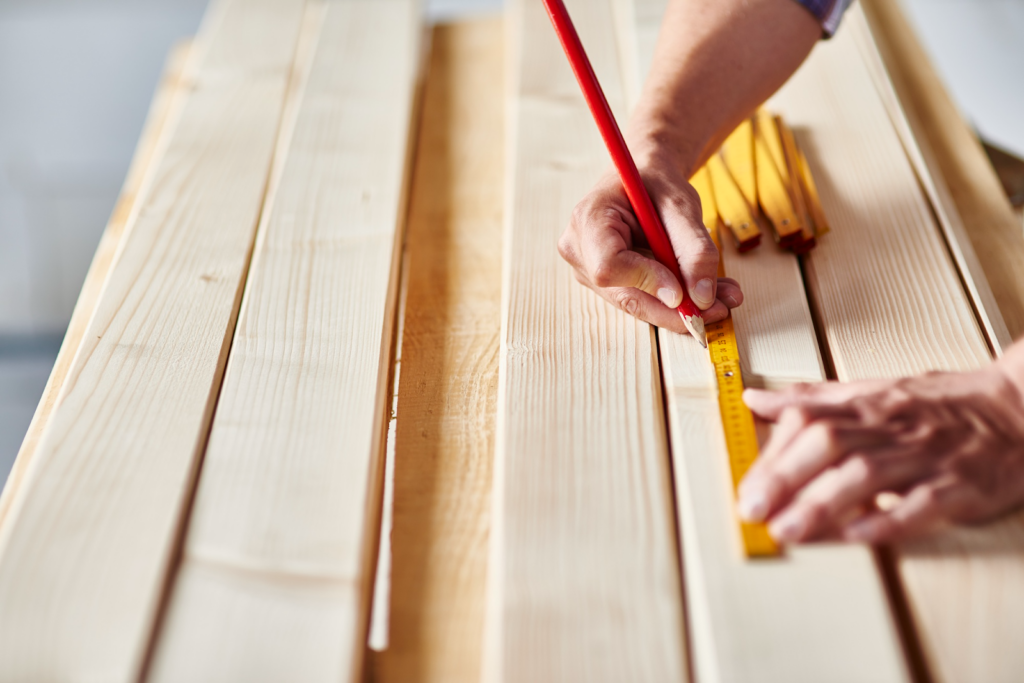
Start by inspecting the wood boards. Look for any defects, such as warping or cracks, and make sure they are in good condition. It’s also important to check the moisture content of the boards. If you’ve skipped acclimating the wood, now is the time to do so.
Next, plan your layout. Start by finding the center of the room and work your way outwards. This ensures a more uniform installation, avoiding an odd-looking result at the edges of the room.
Step 2: Apply the Adhesive
Use a spatula to apply the glue to the subfloor. Start at the farthest corner of the room and spread the adhesive in a full-spread pattern. Be sure to cover a manageable section of the subfloor so that the glue doesn’t dry before you place the planks down.
Step 3: Lay the Planks
Now it’s time to start laying the wood planks. Use the tongue and groove joint method to connect each board, ensuring that the edges are aligned. For a tighter fit, use a tapping block to gently tap the planks into place. Wedges can help keep the planks spaced correctly as they settle into the glue.
Step 4: Install the Baseboard
Once your planks are down and the glue has set, it’s time to install the baseboards. The baseboard should cover the expansion gaps along the wall to give the room a clean and finished look. Make sure to seal any gaps between the wall and the flooring.
Common Mistakes to Avoid When Gluing Down Solid Hardwood Flooring
Avoid these common mistakes to ensure a smooth and successful installation:
- Overusing Adhesive: While it’s important to use enough glue, applying too much can cause a mess and lead to an uneven installation. Use just enough to cover the subfloor without overflowing.
- Skipping Moisture Testing: Moisture testing is essential before installation. Without it, you risk improper adhesion, warped planks, or potential damage over time.
- Improper Expansion Gaps: If you don’t leave enough room for the wood to expand, the floor could buckle. Always maintain proper expansion gaps around the edges of the room.
Also check out this guide on How to Care for Your Solid Hardwood Floors for Longevity.
When Should You Avoid Gluing Down Solid Hardwood Flooring?
While gluing can be an excellent option for many situations, it’s not right for every home. You should avoid this method in high-moisture areas such as bathrooms or basements. Additionally, if your subfloor is excessively uneven or there are other structural issues, gluing may not provide the best results.
Conclusion: Is Gluing Solid Hardwood Flooring the Right Choice for You?
In summary, gluing down solid hardwood flooring can offer a durable, stable, and faster installation process, especially for concrete subfloors or radiant heating systems. However, proper preparation, moisture testing, and selecting the right adhesive are critical to ensuring a successful installation. By following the steps outlined above and avoiding common mistakes, you can achieve a beautiful, long-lasting floor.
If you’re ready to get started, visit Flooring Outlet & More for high-quality hardwood flooring options and expert advice on installation. Whether you choose to glue down or nail down, we’ve got the tools and expertise to help you create the perfect floor for your home.
FAQs
What is the best glue for solid hardwood floors?
The best glue for solid hardwood floors is a high-quality urethane-based adhesive like Bostik’s BEST®, offering excellent moisture resistance, strong bonding, and anti-fracture properties. It’s ideal for installation over concrete or wood subfloors, ensuring durability and long-lasting performance.
Can I glue-down 3/4″ hardwood floor?
Yes, you can glue down 3/4″ hardwood floors. Using a high-strength adhesive like Bostik’s BEST® ensures a strong bond. However, proper subfloor preparation and moisture testing are essential to ensure a successful installation without gaps or shifting.
Should hardwood floors be nailed or glued?
Whether to nail or glue hardwood floors depends on your subfloor type and the specific needs of your space. Glue-down installation is preferred for concrete subfloors or radiant heating systems, while nailing works better for wood subfloors.
Are real hardwood floors glued down?
Real hardwood floors can be glued down, particularly when installed over concrete subfloors. Glue-down installation provides added stability and is ideal for areas with radiant heat, offering a secure and long-lasting bond between the floor and subfloor.
Is it better to glue down or float wood flooring?
Gluing down wood flooring offers a more secure bond and is ideal for concrete subfloors. Floating floors are easier to install and better suited for areas with fluctuating temperatures. The choice depends on your subfloor type and preferences.


