Shop our best deals online.
Shop Now
How to Choose the Best Moisture Barrier for Laminate Flooring
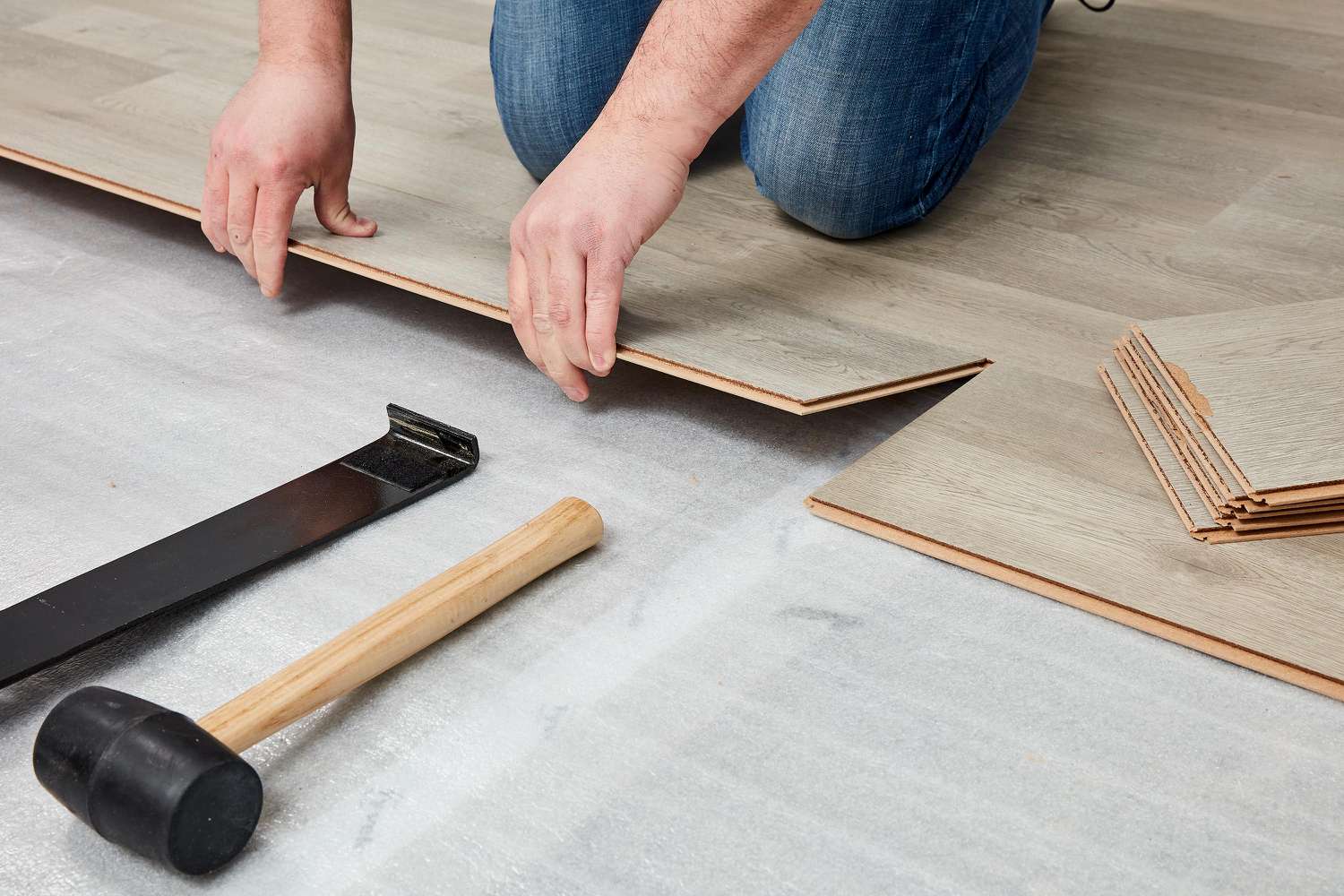
Table of Contents
- 1 Why is a Moisture Barrier Essential for Laminate Flooring?
- 2 Understanding Subfloor Moisture
- 3 Types of Moisture Barriers for Laminate Flooring
- 4 Factors to Consider When Choosing Your Moisture Barrier
- 5 Installation Tips for Your Moisture Barrier
- 6 The Best Moisture Barrier for Laminate Flooring: Specific Scenarios
- 7 Avoiding Common Pitfalls
- 8 Conclusion
- 9 FAQs
- 9.1 1. What is the best type of moisture barrier for laminate flooring?
- 9.2 2. Do I always need a moisture barrier under laminate flooring?
- 9.3 3. How thick should a moisture barrier be for laminate flooring?
- 9.4 4. What is the difference between a moisture barrier and an underlayment for laminate flooring?
Laminate flooring offers a beautiful, durable, and cost-effective solution for many homes. To ensure its longevity and stability, particularly when installing in areas prone to humidity, a proper moisture barrier is essential. This crucial layer protects your investment from moisture damage, preventing issues like warping, buckling, and mold growth. Understanding what to look for in the best moisture barrier for laminate flooring is key to a successful installation.
Moisture, whether it comes from the subfloor or ambient humidity, can significantly impact laminate planks. Laminate, while resilient, is susceptible to moisture. This guide will walk you through the types of moisture barriers, their benefits, and how to select the right one for your specific needs, protecting your investment for years to come.
Why is a Moisture Barrier Essential for Laminate Flooring?
Laminate flooring consists of a synthetic core with a photographic layer and a clear protective wear layer. Unlike solid hardwood flooring, laminate is not waterproof on its own, though water-resistant varieties exist. Moisture can penetrate the core, causing expansion and contraction, which leads to floor damage. A moisture barrier acts as a protective shield, isolating the laminate from potential moisture sources.
Moisture intrusion can lead to several problems. Excess moisture can cause the flooring to swell and delaminate, separating the layers. It can also encourage mildew and mold growth, impacting indoor air quality. This is particularly true in basements or ground-level installations. Properly installing a waterproof laminate flooring with an effective moisture barrier ensures the floor’s integrity and appearance, contributing to long-lasting floors.
Understanding Subfloor Moisture
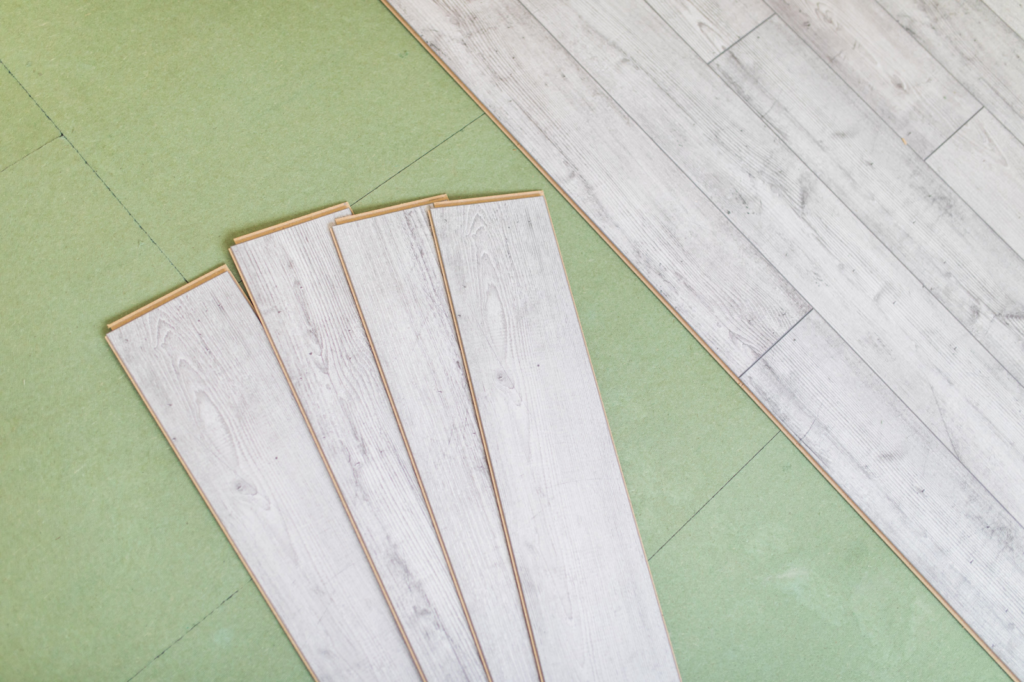
Subfloors, whether concrete or wood, are common sources of moisture. Concrete slabs, especially new ones, can retain significant amounts of moisture for extended periods. Even older concrete can wick moisture from the ground. Wooden subfloors in crawl spaces or areas with high humidity can also absorb and release moisture, directly affecting your laminate.
Testing your subfloor for moisture content is a critical first step. Various methods exist, such as the calcium chloride test or a moisture meter. These tests provide accurate readings of the relative humidity within the subfloor, helping you determine the level of protection required. Ignoring this step can lead to significant issues down the line, regardless of the quality of your laminate flooring.
Types of Moisture Barriers for Laminate Flooring
Choosing the best moisture barrier for laminate flooring depends on your subfloor, environment, and specific flooring product. There are several categories to consider:
1. Separate Film Moisture Barriers
These are typically thin plastic sheets, often polyethylene, that get rolled out over the subfloor before the laminate is installed. They create a physical barrier against moisture. Film barriers are cost-effective and relatively easy to install.
- Polyethylene Sheeting: Available in various thicknesses, typically 6-mil or 10-mil. Thicker films provide superior protection. Ensure seams are overlapped and sealed with moisture-resistant tape.
- Installation: Lay the film flat, overlapping edges by at least 8 inches, and seal every seam. Extend the film slightly up the walls to protect against side moisture. This type of vapor barrier for laminate flooring is a basic yet effective solution for many scenarios.
2. Underlayment with Integrated Moisture Barrier
Many laminate flooring underlayment products now come with an attached moisture barrier. This simplifies the installation process by combining two layers into one. These underlayments often include padding for sound insulation and comfort as well.
- Foam Underlayment: A common choice, usually made from closed-cell foam. It provides cushioning, reduces sound transmission, and includes a vapor barrier. Different thicknesses are available, impacting comfort and sound reduction.
- Cork Underlayment: A natural, eco-friendly option that offers excellent sound absorption and thermal insulation. Some cork underlayments are treated or combined with a film to act as an effective moisture barrier.
- Rubber Underlayment: Offers superior sound dampening and can provide significant moisture resistance. Often a premium option, it is durable and long-lasting.
When using an integrated underlayment, always check the manufacturer’s specifications to ensure it meets the moisture protection requirements for your subfloor. This combined approach is popular for its efficiency and added benefits, ensuring a robust laminate flooring installation.
3. Roll-On Moisture Barriers
These are liquid-applied membranes that are painted or rolled directly onto the subfloor. Once cured, they form a seamless, waterproof seal. This method is particularly effective for concrete subfloors with high moisture emission rates.
- Epoxy-Based Sealers: Extremely durable and effective at blocking moisture. They create a very strong bond with the concrete.
- Urethane-Based Sealers: Offer flexibility and strong adhesion, forming a resilient barrier.
- Installation: The subfloor must be clean, dry, and free of contaminants. Apply according to manufacturer instructions, usually requiring one or two coats. This creates a highly reliable basement floor moisture barrier in areas where moisture is a significant concern.
Factors to Consider When Choosing Your Moisture Barrier
Selecting the best moisture barrier for laminate flooring involves evaluating several aspects of your installation environment and flooring choice.
Subfloor Material
- Concrete Subfloors: Generally require a more robust moisture barrier, especially in basements or slabs on grade. Roll-on barriers or thicker polyethylene films (6-mil or greater) are often recommended to manage significant moisture vapor transmission.
- Wood Subfloors: Typically need less aggressive moisture protection compared to concrete, as wood breathes. However, areas with high humidity or crawl spaces beneath still benefit from a vapor barrier for laminate flooring. Standard polyethylene film or integrated underlayments are usually sufficient.
Room Location and Humidity Levels
Rooms like kitchens, bathrooms, or basements are prone to higher humidity and potential spills. For these areas, invest in a high-performance moisture barrier and consider water resistant laminate flooring for the kitchen. Even in other parts of the home, consistent climate control is important for overall flooring health.
Laminate Flooring Type
Some laminate products, particularly those marketed as water-resistant or waterproof, may have an integrated moisture barrier or a highly dense core that provides some level of moisture protection. Always check the manufacturer’s recommendations. Even with these products, an additional vapor barrier is often prudent, especially over concrete or in high-moisture environments. Consider options like Kronotex laminate flooring or Republic Flooring which offer enhanced moisture resistance.
Sound Dampening and Comfort
Many underlayments designed to be a moisture barrier for laminate flooring also provide acoustic properties, reducing impact sound and creating a quieter space. Padding can also make the floor feel softer underfoot. If sound control is a priority, opt for an underlayment with a higher IIC (Impact Insulation Class) rating. This is similar to considerations for choosing the best carpet where comfort and sound are key.
Thickness and R-Value
The thickness of the moisture barrier or underlayment can affect the overall floor height and thermal insulation. Thicker materials often provide better sound dampening and some thermal resistance, which can be beneficial in basements or over cold subfloors. An additional benefit of quality underlayment is its ability to help regulate floor temperature, contributing to overall comfort.
Installation Tips for Your Moisture Barrier
Proper installation is as crucial as choosing the best moisture barrier for laminate flooring. Even the best materials will fail if not installed correctly.
- Clean and Dry Subfloor: Ensure the subfloor is thoroughly cleaned, free of debris, and completely dry before installation. Address any structural issues first.
- Overlap Seams: If using film, overlap the seams according to manufacturer guidelines (typically 6-8 inches) and seal them tightly with appropriate moisture-resistant tape. This ensures continuity in the vapor barrier for laminate flooring.
- Extend up Walls: Run the film or underlayment slightly up the walls (about 2-3 inches). This protects the edges of the laminate where moisture might migrate from perimeter walls. Trim it after the laminate installation is complete.
- Smooth Application: Lay the barrier flat and smooth, avoiding wrinkles or bubbles. These imperfections can create air pockets or compromise the effectiveness of the barrier.
The Best Moisture Barrier for Laminate Flooring: Specific Scenarios
Let’s consider common scenarios and the ideal moisture barrier solutions.
Basement Installations
Basements are notorious for moisture challenges. A dedicated basement floor moisture barrier is non-negotiable. For concrete basements, a roll-on epoxy or urethane sealer applied directly to the concrete, followed by a padded underlayment without an additional vapor barrier (to avoid double-barriering), is often the most effective approach. Alternatively, a thick (min. 6-mil, preferably 10-mil) polyethylene film with properly sealed seams is a reliable option. Ensuring the subfloor is level and dry is critical before applying any barrier.
Above-Grade Wooden Subfloors
For wooden subfloors in upper levels of a home, moisture typically comes from ambient humidity. An integrated laminate flooring underlayment with a vapor barrier is usually sufficient. This provides cushioning and sound dampening while offering adequate moisture protection. Ensure good ventilation in crawl spaces to minimize moisture accumulation under the floor.
Kitchens and High-Spill Areas
While a moisture barrier protects from subfloor moisture, surface spills require a water-resistant or waterproof laminate flooring product itself. For added protection from below, choose a high-quality integrated underlayment that serves as a robust vapor barrier for laminate flooring. Prompt clean-up of spills is always the first line of defense to prevent water damage on your floors.
Avoiding Common Pitfalls
- Not testing for moisture: This is the most significant oversight. Always test your subfloor, especially concrete, before installation.
- Double vapor barrier: In some cases, installing a vapor barrier over an existing vapor barrier (e.g., an integrated underlayment over a sealed concrete slab) can trap moisture between the layers, leading to issues. Consult flooring manufacturer guidelines.
- Improper sealing: Gaps or unsealed seams in a film barrier render it ineffective. Ensure all overlaps are sealed with suitable tape.
- Ignoring manufacturer instructions: Always adhere to the laminate flooring and moisture barrier manufacturer’s specific guidelines. These instructions are tailored to their product’s performance and warranty requirements. For example, engineered hardwood needs to acclimate before installation, a principle that also applies to laminate under certain conditions.
Conclusion
Choosing the best moisture barrier for laminate flooring is a foundational step toward a successful and enduring floor installation. It protects against the hidden threat of moisture, preserving your floor’s appearance and structural integrity. By understanding your subfloor, environment, and flooring type, you can confidently select the right protection. Whether it’s a simple film, an integrated laminate flooring underlayment, or a roll-on basement floor moisture barrier, prioritizing moisture protection will safeguard your investment.
For expert advice on selecting the perfect laminate flooring and its accompanying moisture barrier, contact us at Flooring Outlet & More. Our team is ready to guide you through our diverse selection and ensure your flooring project is a success.
FAQs
1. What is the best type of moisture barrier for laminate flooring?
The best type of moisture barrier for laminate flooring is typically a polyethylene (PE) film, at least 6-mil thick. Some laminate underlayments also have an integrated vapor barrier for convenience and added sound dampening.
2. Do I always need a moisture barrier under laminate flooring?
Yes, it is highly recommended to always use a moisture barrier under laminate flooring, especially over concrete subfloors or in areas with high humidity. This protects the laminate from moisture damage like warping, buckling, and mold growth.
3. How thick should a moisture barrier be for laminate flooring?
A moisture barrier for laminate flooring should be at least 6-mil thick. Thicker options, such as 8-mil or 10-mil, offer even greater protection against vapor transmission.
4. What is the difference between a moisture barrier and an underlayment for laminate flooring?
A moisture barrier primarily blocks moisture vapor from reaching the laminate, while an underlayment provides cushioning, sound dampening, and helps smooth minor subfloor imperfections. Some underlayments include an integrated moisture barrier.


