Shop our best deals online.
Shop Now
What Is the Best Flooring for a Living Room That Stays Beautiful for Decades
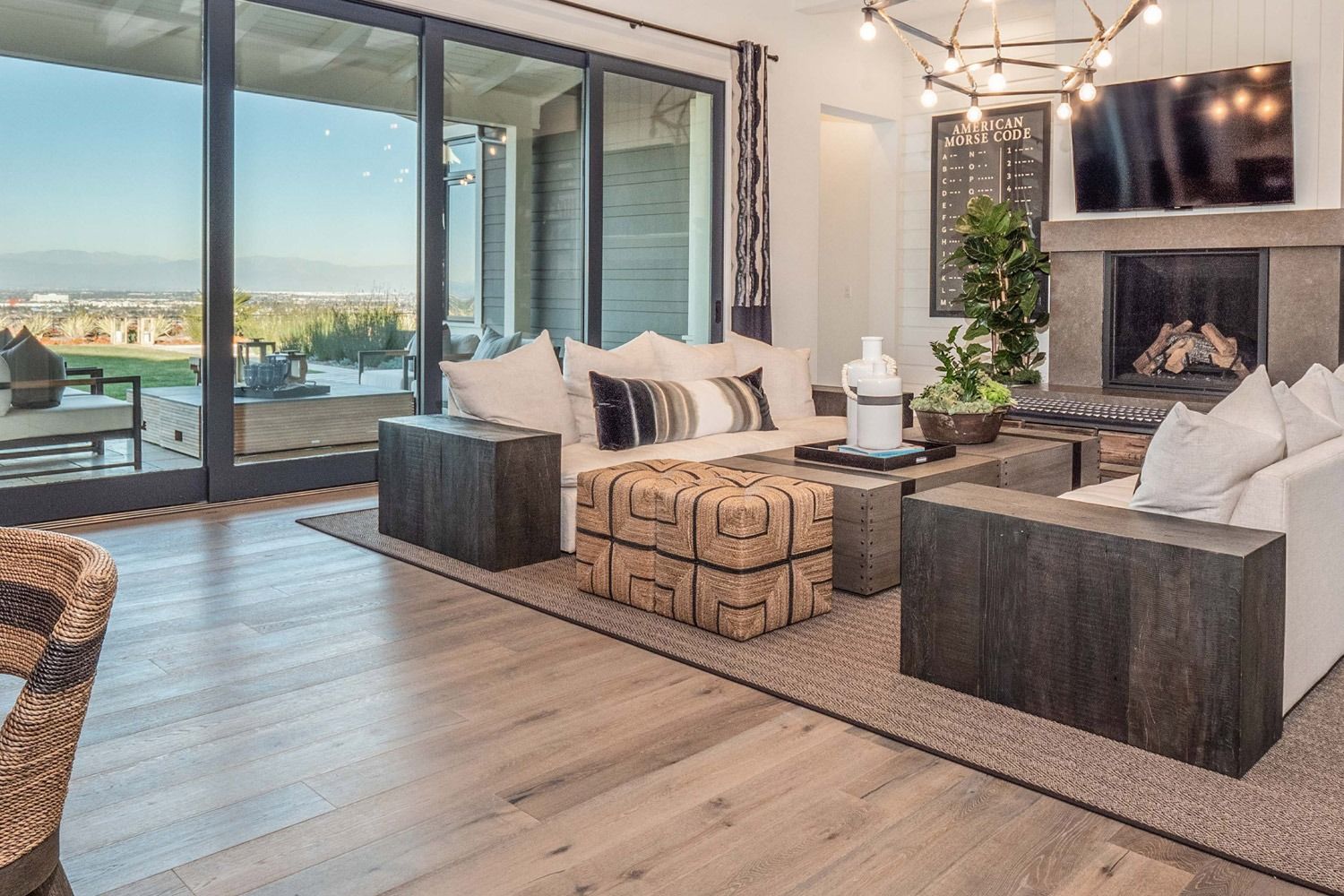
Table of Contents
- 1 What Living Rooms Actually Demand From Their Floors
- 2 Flooring Options Compared at a Glance
- 3 Solid Hardwood Flooring
- 4 Engineered Hardwood Flooring
- 5 Luxury Vinyl Plank
- 6 Laminate Flooring
- 7 Living Room Floor Tiles
- 8 How to Choose the Right Option for Your Home
- 9 Protecting Any Living Room Floor Long Term
- 10 The Right Floor Is the One That Fits Your Life
- 11 Frequently Asked Questions
- 11.1 Q: What is the best flooring for a living room with pets and children?
- 11.2 Q: Is engineered hardwood or solid hardwood better for living room flooring?
- 11.3 Q: Are living room floor tiles a good alternative to wood flooring?
- 11.4 Q: How long does scratch resistant flooring last in a living room?
- 11.5 Q: What living room flooring adds the most home value?
Choosing what is the best flooring for a living room is one of the most important home improvement decisions you will make. The living room sees more daily foot traffic, furniture movement, and general use than almost any other space in the home. The right living room flooring needs to handle all of that while staying attractive year after year. This guide compares every major option so you can match the right material to your household’s lifestyle, design preferences, and long-term goals.
What Living Rooms Actually Demand From Their Floors
High but Varied Traffic
Living rooms see consistent daily use from family members, guests, and pets. The traffic pattern is different from a hallway or kitchen. People move across the same paths repeatedly and drag furniture occasionally. This creates concentrated wear zones rather than uniform surface wear across the whole floor.
Comfort and Aesthetics Matter Most Here
Unlike kitchens or bathrooms where practicality dominates, living rooms are spaces where people relax and entertain. How the floor feels underfoot, how it handles sound, and how it looks all carry more weight here than in other rooms.
Lower Moisture Risk Than Other Rooms
Living rooms typically have lower moisture exposure than kitchens or bathrooms. This opens up more flooring options including materials that would be risky in wetter environments.
Flooring Options Compared at a Glance
| Flooring Type | Scratch Resistance | Moisture Resistance | Refinishable | Avg. Lifespan |
| Solid Hardwood | Moderate | Low | Yes, multiple times | 50+ years |
| Engineered Hardwood | Moderate to High | Moderate | Yes, 1 to 2 times | 20 to 30 years |
| Luxury Vinyl Plank | Very High | Waterproof | No | 15 to 25 years |
| Laminate | High | Low to Moderate | No | 15 to 25 years |
| Tile | Very High | Waterproof | No | 50+ years |
| Carpet | Hides wear well | Low | No | 8 to 15 years |
Solid Hardwood Flooring
The Case for Solid Hardwood
Solid hardwood is the most classic living room flooring choice. It delivers genuine warmth, authentic grain character, and a look that improves with age. A well-maintained solid hardwood floor adds measurable resale value and can last several generations with proper care.
How It Performs in the Living Room
In a dry living room, solid hardwood performs excellently. Harder species like white oak, hickory, and maple handle steady foot traffic and furniture weight well. Its biggest advantage is that it can be sanded and refinished multiple times. Surface wear, scratches, and dents that accumulate over decades can be removed by refinishing, essentially resetting the floor to near-new condition.
What to Know Before Choosing It
Solid hardwood is not waterproof. All types of hardwood flooring are not waterproof and are vulnerable to moisture. In a standard living room this is rarely a concern, but it is worth understanding. Solid hardwood also requires professional installation and typically costs more upfront than engineered options.
For care and protection guidance, see The Best Ways to Protect Your Hardwood Floors From Damage.
Engineered Hardwood Flooring
The Case for Engineered Hardwood
Engineered hardwood flooring delivers the same real wood surface appearance as solid hardwood with better dimensional stability. Its cross-ply core resists the expansion and contraction that solid wood undergoes with humidity changes. For most living rooms this is the strongest overall balance of aesthetics, durability, and long-term value.
How It Performs in the Living Room
Engineered hardwood handles daily foot traffic and furniture movement well. Products with harder species veneers and multi-coat aluminum oxide finishes deliver strong scratch resistant flooring performance that holds up under pet activity. Products with a veneer of 3mm or thicker can also be refinished once or twice, which extends total floor life significantly.
What to Know Before Choosing It
Like solid hardwood, engineered hardwood is not waterproof. It handles humidity variation better than solid wood but is still vulnerable to standing water and prolonged moisture. Choosing a product with at least a 3mm veneer ensures refinishing potential is available when the surface eventually shows wear.
For help selecting the right product, read How to Select Engineered Hardwood Flooring That Actually Fits Your Home.
Luxury Vinyl Plank
The Case for LVP
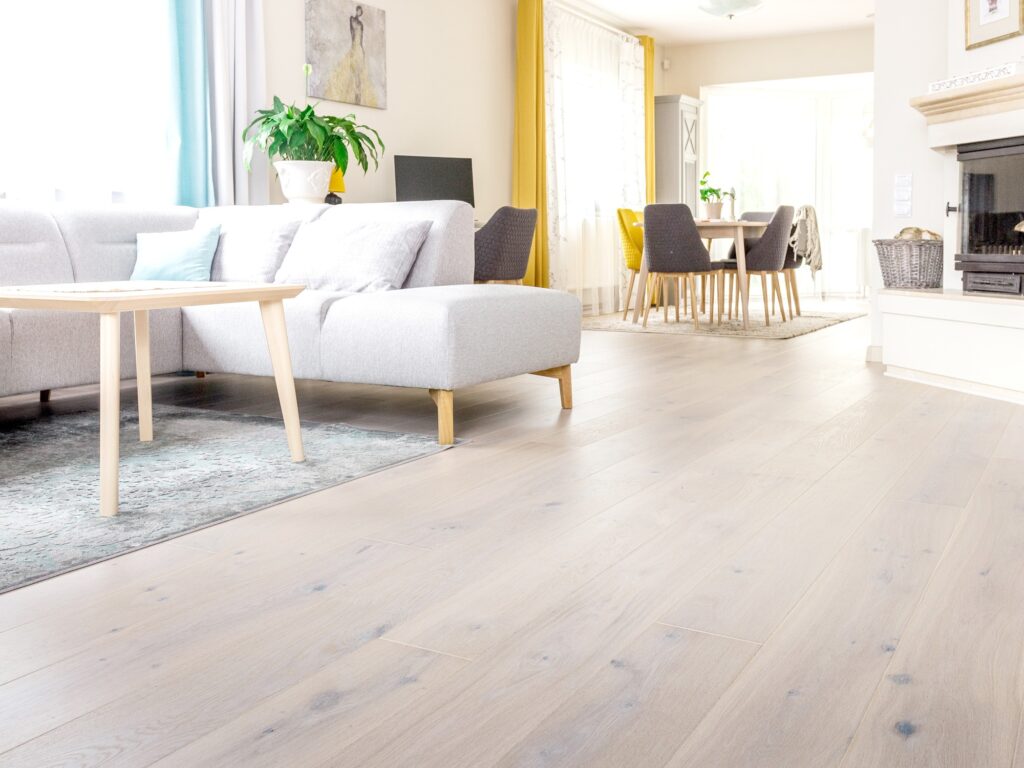
Luxury vinyl plank flooring is one of the most popular living room flooring choices today. Modern LVP replicates the look of real wood with impressive realism while offering a waterproof core and excellent scratch resistance that wood-based products cannot match.
How It Performs in the Living Room
LVP is particularly strong in households with active pets, young children, or heavy foot traffic. Its wear layer provides very high scratch resistant flooring performance and its waterproof construction means spills are never a concern. Rigid core SPC products feel solid and stable underfoot and do not produce the hollow sound associated with older vinyl formats.
What to Know Before Choosing It
LVP cannot be refinished. Once the wear layer has worn through, the floor needs replacement. It also does not add the same authentic warmth underfoot as real wood and most products do not add resale value the way hardwood does.
See Luxury Vinyl Plank vs Laminate Flooring for a deeper comparison.
Laminate Flooring
The Case for Laminate
Laminate flooring offers a realistic wood appearance at a lower price point than engineered or solid hardwood. Its protective wear layer delivers good scratch resistance and durability for everyday living room use and it is one of the most DIY-friendly options on the market.
How It Performs in the Living Room
For a dry living room environment, AC3 and AC4-rated laminate is a solid performer. It handles daily foot traffic, furniture placement, and pet activity well. Modern laminate textures are highly convincing visually and the firm HDF core feels stable underfoot. It is an especially good choice for homeowners who want a wood look on a tighter budget.
What to Know Before Choosing It
Laminate is not waterproof and cannot be refinished. Once the surface wear layer is gone, the floor needs to be replaced. In a dry living room this is typically not a problem, but it is important to manage humidity and avoid standing moisture at the seams.
Read What Is the Lifespan of Laminate Flooring and How Can You Extend It for tips on getting the most from your laminate floor.
Living Room Floor Tiles
The Case for Tile
Living room floor tiles in ceramic or porcelain offer unmatched durability and virtually zero moisture risk. Modern large-format tile and realistic wood-look tile have made tile a much more visually compelling option in living spaces than it was in previous generations.
How It Performs in the Living Room
Living room floor tiles handle heavy foot traffic, pet claws, and spills with complete confidence. They do not scratch, swell, or stain under normal residential conditions. Large-format tile formats create a sophisticated, seamless look in open-plan living spaces that connects well with modern interior styles.
What to Know Before Choosing It
Tile is the hardest and coldest living room flooring surface. Without area rugs or underfloor heating, it can feel uncomfortable where people sit or walk barefoot for extended periods. Grout lines also require periodic cleaning to stay looking fresh and installation typically requires a professional.
How to Choose the Right Option for Your Home
The right living room flooring depends on your household’s real conditions more than any single factor. The questions below help narrow down your decision.
Do you have pets or young children? LVP offers the best combination of durability and waterproofing. Engineered hardwood with a hard species and premium finish is also strong if real wood is preferred.
How important is long-term investment value? Solid hardwood and engineered hardwood are the strongest investments. Both can be refinished in ways that vinyl and laminate cannot.
How much maintenance are you willing to do? LVP requires the least ongoing maintenance. Hardwood requires humidity control, prompt spill cleanup, and periodic refinishing. Carpet requires the most frequent cleaning to stay fresh.
What is your interior style? Traditional and transitional styles suit hardwood best. Contemporary spaces work well with wide-plank engineered hardwood, large-format tile, or clean-line LVP. Rustic aesthetics suit hand-scraped or wire-brushed hardwood and textured laminate.
Protecting Any Living Room Floor Long Term
Regardless of which material you choose, these habits extend the life and appearance of any living room floor significantly.
Place felt pads under every furniture leg and check them regularly. Use area rugs in the main seating zone and traffic paths to reduce direct surface wear. Place doormats at every entry point to trap grit before it reaches the floor. Trim pet nails regularly. Wipe up spills immediately on any hard surface. Maintain indoor humidity between 35% and 55% year-round if you have any wood-based flooring.
For a full seasonal care routine, see The Ultimate Flooring Maintenance Checklist.
The Right Floor Is the One That Fits Your Life
Answering what is the best flooring for a living room comes down to matching the product to the reality of your household. For real wood beauty and long-term value, engineered hardwood delivers the best overall combination for most homeowners. For active households with pets and children, LVP offers the most worry-free performance. For a timeless investment that outlasts everything else, solid hardwood remains the gold standard. For zero-maintenance durability, large-format living room floor tiles are worth serious consideration.
Visit Flooring Outlet & More to explore our full range of engineered hardwood, solid hardwood, luxury vinyl, laminate and carpet options to find the perfect living room floor for your home.
Frequently Asked Questions
Q: What is the best flooring for a living room with pets and children?
A: Luxury vinyl plank is the top choice. Its waterproof core handles spills and its wear layer resists pet claws effectively. Engineered hardwood with a hard species like white oak or hickory is also a strong option if a real wood look is the priority.
Q: Is engineered hardwood or solid hardwood better for living room flooring?
A: Both are excellent choices. Solid hardwood offers more refinishing cycles but costs more and needs professional installation. Engineered hardwood provides similar aesthetics with better stability and easier DIY installation, making it the better practical value for most homeowners.
Q: Are living room floor tiles a good alternative to wood flooring?
A: Yes, particularly in modern or open-plan homes. Large-format porcelain tiles are extremely durable, scratch resistant, and require minimal maintenance. They feel harder and cooler underfoot than wood, which most homeowners address with area rugs or underfloor heating.
Q: How long does scratch resistant flooring last in a living room?
A: LVP and laminate typically last 15 to 25 years. Engineered hardwood with refinishing lasts 20 to 30 years or more. Solid hardwood can exceed 50 years with multiple refinishing cycles. Consistent protective habits extend the life of any material significantly.
Q: What living room flooring adds the most home value?
A: Solid hardwood adds the most resale value and is preferred by buyers in most markets. Engineered hardwood also adds value with quality products. LVP and laminate are viewed positively for practicality but generally do not command the same premium as real wood flooring.