Shop our best deals online.
Shop Now
What Is the Lifespan of Laminate Flooring and How Can You Extend It

Table of Contents
- 1 How Laminate Flooring Is Built and Why It Matters for Lifespan
- 2 What Is the Average Lifespan of Laminate Flooring?
- 3 The AC Rating System and What It Tells You About Durability
- 4 Factors That Determine How Long Laminate Flooring Lasts
- 5 Laminate Flooring Maintenance Habits That Directly Extend Lifespan
- 6 Repairs That Extend the Floor’s Useful Life
- 7 When to Consider Replacing Your Laminate Floor
- 8 Choosing Durable Laminate Flooring From the Start
- 9 Final Thoughts
- 10 Frequently Asked Questions
- 10.1 Q: How long does laminate flooring last in a high-traffic area like a hallway?
- 10.2 Q: Does the thickness of laminate flooring affect how long it lasts?
- 10.3 Q: Can laminate flooring maintenance habits really extend the floor’s life significantly?
- 10.4 Q: What causes laminate flooring to fail before its expected lifespan?
- 10.5 Q: Is waterproof laminate flooring worth choosing for a longer lifespan in kitchens?
Understanding what is the lifespan of laminate flooring helps you make a smarter purchasing decision and plan your home’s flooring investment more realistically. Laminate is one of the most popular flooring choices in homes across the country because it delivers the look of natural wood at a fraction of the cost. But how long does laminate flooring last in practice, and what separates a floor that lasts 25 years from one that shows significant wear within a decade? The answers come down to product quality, installation, room conditions, and laminate flooring maintenance habits. This guide covers all of it so you know exactly what to expect and how to get the most from your floor.
How Laminate Flooring Is Built and Why It Matters for Lifespan
Before looking at lifespan numbers, it helps to understand what laminate is made of. Every laminate plank is constructed from four bonded layers, each serving a specific purpose in the floor’s overall performance and longevity.
The bottom layer is the backing layer. It provides stability to the plank, resists minor moisture from below, and prevents the board from warping under pressure. Above that sits the core layer, made from high-density fiberboard, commonly called HDF. This is the structural heart of the plank. It gives laminate its rigidity and resistance to denting but also makes it vulnerable to moisture if water penetrates from the surface or from below.
On top of the core is the design or decorative layer. This is a high-resolution photographic image printed to replicate the appearance of real wood species, stone, or tile. Modern printing technology has made these images highly realistic, capturing grain patterns, knots, and natural texture variation with impressive accuracy.
The topmost layer is the wear layer, also called the clear coat or overlay. This transparent protective surface is what stands between daily life and the decorative layer beneath. The thickness and hardness of the wear layer is the single most important factor in determining how long does laminate flooring last in a real-world environment.
Understanding this construction helps explain why two laminate floors that look identical on the surface can have dramatically different lifespans depending on the quality of their wear layer and core.
What Is the Average Lifespan of Laminate Flooring?
Quality laminate flooring in a residential setting typically lasts between 15 and 25 years. Some premium products installed in well-maintained homes can reach 30 years or more. Entry-level products in high-traffic environments may show significant wear in as little as 10 years.
The wide range in expected lifespan reflects the fact that laminate flooring is not a single product. It spans a broad spectrum of quality levels, from budget-oriented planks with thin wear layers designed for short-term use to premium durable laminate flooring products engineered to withstand years of heavy residential use.
Understanding where your specific product falls on that spectrum, and adjusting your maintenance and usage habits accordingly, is what determines the floor’s actual lifespan in your home.
The AC Rating System and What It Tells You About Durability
One of the most useful tools for evaluating durable laminate flooring is the AC rating system, which stands for Abrasion Class. This European standard classifies laminate flooring by its resistance to abrasion, impact, staining, and other forms of wear. Products sold in the United States widely use this same rating system.
AC1 is the lowest rating, intended for light residential use in areas like bedrooms. AC2 covers general residential use including living rooms and dining rooms. AC3 is suitable for all residential areas including high-traffic zones like hallways and kitchens. AC4 is rated for light commercial use but also performs very well in demanding residential environments. AC5 is the highest rating, designed for heavy commercial use in spaces like shopping centers and public buildings.
For most residential homes, AC3 is the minimum recommended rating. Households with children, pets, and heavy foot traffic are better served by AC4 products. The higher the AC rating, the thicker and harder the wear layer and the longer the floor will hold its appearance under daily use.
When shopping for laminate flooring, always check the AC rating on the packaging or product specification sheet. This number gives you a realistic benchmark for how long the floor’s surface appearance will hold up before showing wear-through.
Factors That Determine How Long Laminate Flooring Lasts
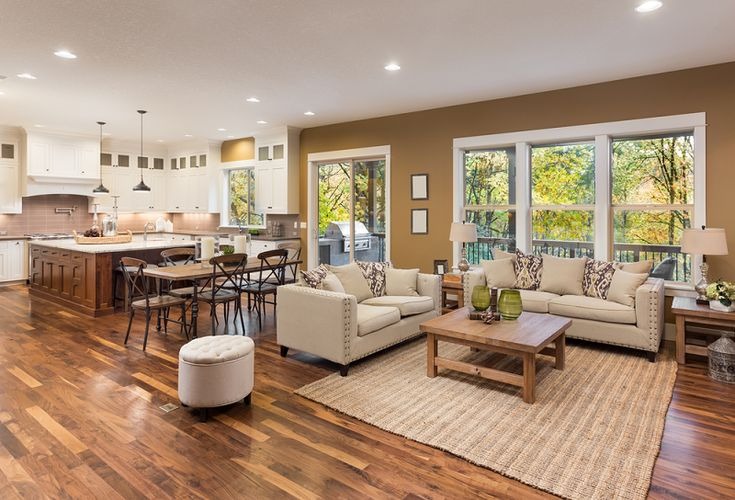
The floor’s lifespan in your specific home is shaped by a combination of factors. Understanding each one helps you make choices that extend the floor’s useful life.
Product Quality and Wear Layer Thickness
As mentioned above, the wear layer is the most direct indicator of long-term durability. Wear layers are measured in mils or millimeters. A standard residential wear layer might be around 6 to 8 mils. Premium products designed to be durable laminate flooring can have wear layers of 12 mils or more. A thicker wear layer takes longer to wear through under foot traffic, scratching, and surface abrasion.
Higher-quality products also use better adhesives between layers, more stable HDF core materials, and tighter locking joint tolerances. These manufacturing differences affect how well the floor resists swelling at the joints, how securely planks stay connected over time, and how well the floor handles minor moisture exposure without the core swelling or delaminating.
Room Location and Traffic Level
Where the floor is installed has a major impact on how long it lasts. A laminate floor in a rarely used guest bedroom will show minimal wear over two decades. The same product installed in a main hallway or open-plan kitchen and living area will experience far more abrasion, impact, and moisture exposure in a much shorter time.
For high-traffic areas, choosing an AC4-rated product rather than AC3 gives you a meaningful additional margin of wear resistance that translates directly into more years of attractive appearance before the surface begins to show through.
Moisture and Humidity
Laminate flooring is not waterproof. The HDF core is particularly susceptible to moisture damage. When moisture penetrates the surface through seams between planks, the core swells, joints separate, and the floor begins to look uneven and worn prematurely.
In moisture-prone rooms, using a water resistant laminate flooring product or at minimum a highly water-resistant option significantly extends the floor’s useful life compared to standard laminate. Pairing your laminate with the right underlayment and vapor barrier is also essential for protecting the core from below. For a complete look at moisture protection strategies, read The Best Moisture Barrier for Laminate Flooring.
Installation Quality
Even the best laminate flooring installed incorrectly will fail prematurely. Poor subfloor preparation creates uneven surfaces that put stress on locking joints. Insufficient expansion gaps cause the floor to buckle when it expands in warm and humid conditions. Planks that are not fully clicked together create gaps that collect dirt and moisture. All of these installation errors shorten the floor’s lifespan regardless of how high-quality the product is.
Proper subfloor preparation and correct expansion gap allowances are the two most important installation factors. For a full breakdown of subfloor preparation best practices, see How to Prepare Subfloor for Laminate in Moisture-Prone Areas.
Underlayment Selection
The right laminate flooring underlayment cushions the floor, reduces noise, helps bridge minor subfloor irregularities, and provides a moisture barrier between the subfloor and the laminate core. An inadequate or missing underlayment contributes to joint failure, squeaking, and moisture-related swelling that all shorten the floor’s life. Choosing a quality underlayment appropriate for your specific subfloor type is a simple investment that pays dividends over the entire life of the floor.
Humidity Control in the Home
Indoor humidity affects how much the laminate expands and contracts with seasonal temperature changes. Significant seasonal movement puts repeated stress on the locking joints between planks. Over years of this cycle, joints weaken and gaps develop. Keeping indoor humidity between 35% and 55% year-round minimizes this movement and helps the floor maintain tight, secure joints for much longer.
Laminate Flooring Maintenance Habits That Directly Extend Lifespan
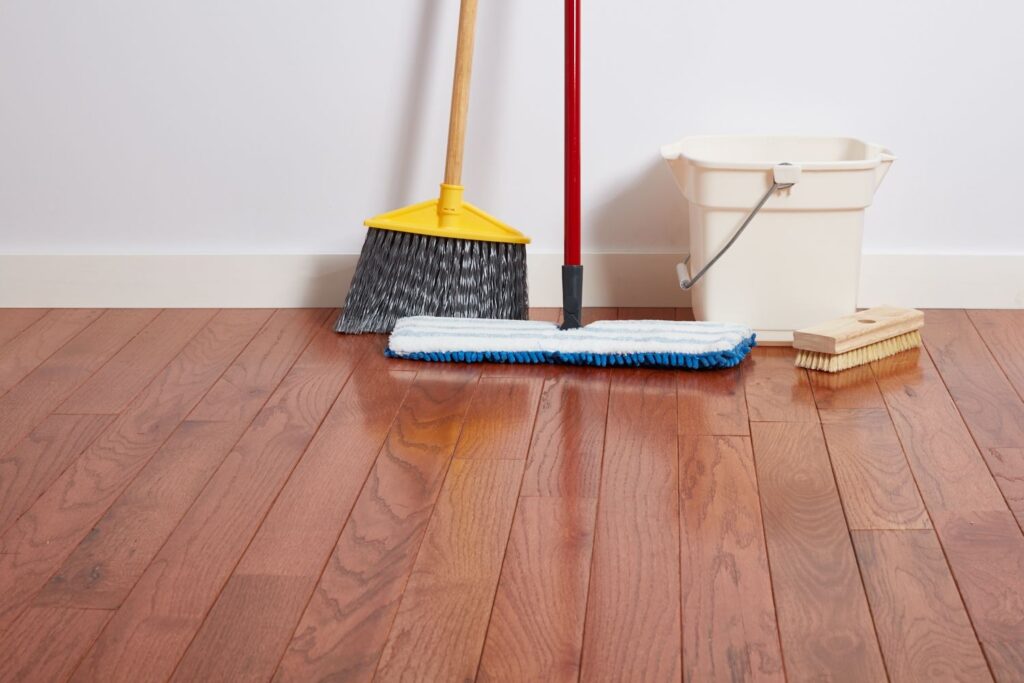
The most controllable factor in how long your floor lasts after installation is your ongoing laminate flooring maintenance routine. Consistent daily and weekly habits make a measurable difference in the condition of the floor over time.
Regular Sweeping and Vacuuming
Grit, dirt, and fine debris tracked in from outside act like sandpaper on the surface of your laminate every time someone walks across it. This abrasive action gradually wears down the wear layer faster than normal foot traffic alone. Sweeping or vacuuming regularly, ideally daily in high-traffic areas, removes this debris before it has a chance to cause cumulative surface damage.
Use a soft-bristle broom or a vacuum with a hard floor setting. Avoid beater bar attachments which can scratch and dull the surface finish over time.
Damp Mopping the Right Way
When the floor needs a deeper clean beyond dry sweeping, use a damp mop with a cleaner specifically formulated for laminate flooring. The key word is damp. Wring the mop thoroughly until it is barely moist. Never use a wet mop or allow standing water to sit on the surface. Excess moisture works into the seams between planks and reaches the HDF core, causing swelling and joint damage.
Avoid steam mops entirely on laminate. The combination of heat and forced moisture causes accelerated damage to both the surface finish and the core layer. For detailed cleaning techniques, see How to Properly Clean and Maintain Your Laminate Flooring.
Wipe Up Spills Immediately
Any liquid that sits on a laminate floor for more than a minute or two begins working into the seams between planks. Wipe up all spills the moment they happen. Keep a clean dry cloth nearby in kitchens and dining areas where spills are most likely. This single habit prevents a large percentage of the moisture-related damage that shortens laminate floors’ lives prematurely.
Use Furniture Pads on Every Leg
Concentrated pressure from furniture legs without protective pads creates dents and scratches in the wear layer that accumulate over time. Place felt furniture pads under every chair, table, sofa, and shelf leg in the room. Check these pads every few months and replace any that have worn thin. A worn pad is almost as damaging as no pad at all.
When moving furniture, always lift it completely rather than dragging it across the floor. Even with pads in place, dragging heavy furniture can leave scratches and damage the surface finish.
Protect High-Traffic Entry Points
Entry areas from outside are where the most abrasive dirt and moisture enter the home. Place quality doormats outside and inside every entry point to trap debris and moisture before it reaches the laminate surface. In areas like mudrooms or laundry rooms where water exposure is regular, an additional waterproof mat or rug provides an extra layer of protection for the floor beneath.
Trim Pet Nails Regularly
Pet claws are a consistent source of fine surface scratching on laminate floors. Regular nail trimming reduces this significantly. For homes with active dogs or cats, choosing a higher AC rating product when the floor is due for replacement gives added surface resistance against claw-related wear.
For a season-by-season approach to protecting your floors, read How to Maintain Your Floors in Different Seasons.
Repairs That Extend the Floor’s Useful Life
Minor surface damage addressed promptly prevents small problems from becoming large ones. Scratches in the wear layer that are left unaddressed allow moisture to reach the layer below, which accelerates damage in that spot.
For light scratches and surface scuffs, a color-matched laminate repair marker or wax repair kit fills the damage and prevents moisture from penetrating further. For deeper chips or gouges, a laminate filler compound applied with a putty knife smooths the damaged area and seals the surface.
For gaps that have developed between planks due to seasonal movement or loosened joints, a floor gap fixer tool can close the gaps without removing and reinstalling the floor. Addressing these issues as they arise rather than allowing them to grow keeps the floor looking better and functioning correctly for longer.
For a full guide on addressing common laminate floor problems before they escalate, see How to Fix Gaps in Laminate Flooring Before They Get Worse.
When to Consider Replacing Your Laminate Floor
Even with excellent laminate flooring maintenance, every laminate floor eventually reaches the end of its useful life. Knowing the signs helps you plan a replacement before the floor becomes a safety or structural concern.
Surface wear-through, where the photographic design layer becomes visible beneath the worn-down wear layer in high-traffic areas, is the clearest sign the floor has reached its limit. At this point no repair product can restore the appearance. The floor needs to be replaced.
Widespread swelling, buckling, or plank separation that cannot be corrected by addressing expansion gaps or isolated plank replacements indicates structural damage to the locking system or HDF core. When these problems affect large areas of the floor they typically signal that replacement is more practical than continued repair.
A musty smell or visible mold beneath the floor suggests moisture has compromised the subfloor beneath as well. In this case both the laminate and the moisture issue beneath it need to be addressed before new flooring goes down.
For a full checklist of the signs that a floor has reached replacement time, read When Should You Replace Your Floors.
Choosing Durable Laminate Flooring From the Start
The easiest way to maximize the lifespan of your laminate floor is to choose the right product before installation. Investing slightly more in an AC4-rated product with a thicker wear layer, a denser HDF core, and tighter locking joints pays back in years of additional service life that offset the higher initial cost.
Look for products that specify their AC rating, wear layer thickness, and overall plank thickness on the packaging. Choose a thickness of at least 8mm for general living areas and 10mm to 12mm for higher-traffic spaces. Thicker planks feel more stable underfoot, better bridge minor subfloor irregularities, and give you more material to work with if the floor needs repair.
For rooms with regular moisture exposure, look for products marketed as waterproof or water-resistant laminate rather than standard laminate. These products use denser core materials and tighter locking systems that significantly reduce the risk of moisture-related damage over time.
Explore the full range of laminate flooring options available at Flooring Outlet & More, including brands like Kronotex that are specifically engineered for long-term performance in busy homes, as well as other trusted brands with strong durability ratings.
Final Thoughts
What is the lifespan of laminate flooring in practical terms is as much a question about how you care for it as it is about the product itself. A quality durable laminate flooring product installed correctly over a well-prepared subfloor and maintained with consistent laminate flooring maintenance habits can deliver 20 to 30 years of attractive and dependable performance. A lower-quality product neglected of basic care might look tired within a decade. The choices you make at purchase, at installation, and in your daily cleaning and protection routine all contribute to where your floor lands on that spectrum.
Visit Flooring Outlet & More to explore our full selection of laminate flooring and installation materials to find the right product for every room in your home. Our team is ready to help you choose a floor that fits your lifestyle, your budget, and your long-term expectations.
Frequently Asked Questions
Q: How long does laminate flooring last in a high-traffic area like a hallway?
A: In high-traffic areas, quality AC4-rated durable laminate flooring typically lasts 15 to 20 years with proper laminate flooring maintenance. Lower-rated products may show surface wear-through sooner. Choosing a higher AC rating and using doormats to trap abrasive debris at entry points extends the floor’s appearance significantly in busy spaces.
Q: Does the thickness of laminate flooring affect how long it lasts?
A: Overall plank thickness affects stability and how well the floor bridges subfloor imperfections but the wear layer thickness has the more direct impact on surface lifespan. A thicker wear layer takes longer to abrade through under daily use. Look for both adequate plank thickness of at least 8mm and a strong wear layer rating when selecting durable laminate flooring for your home.
Q: Can laminate flooring maintenance habits really extend the floor’s life significantly?
A: Yes, consistent maintenance habits make a measurable difference. Regular sweeping removes abrasive grit before it scratches the surface. Wiping spills immediately prevents moisture from reaching the HDF core. Keeping furniture pads in place prevents concentrated wear. Together these habits can add years of attractive appearance to a floor that would otherwise show wear prematurely through neglect.
Q: What causes laminate flooring to fail before its expected lifespan?
A: The most common causes of early laminate floor failure are moisture damage from spills or inadequate underlayment, surface abrasion from grit and pet claws, joint stress from insufficient expansion gaps, and concentrated wear from furniture without protective pads. Most premature failures trace back to one or more of these factors rather than a defect in the product itself.
Q: Is waterproof laminate flooring worth choosing for a longer lifespan in kitchens?
A: Yes. In rooms where spills and humidity are regular realities, waterproof or water-resistant laminate flooring lasts significantly longer than standard laminate. The denser core and tighter locking systems in these products prevent the moisture infiltration that causes premature swelling and joint failure in standard laminate installed in the same conditions.