Shop our best deals online.
Shop Now
How Long Does Carpet Last and How to Maintain It Properly

Table of Contents
- 1 What Determines How Long Carpet Lasts
- 2 Average Carpet Lifespan by Room and Use
- 3 Carpet Cleaning Methods That Protect the Fiber
- 4 Practical Carpet Maintenance Tips That Extend Lifespan
- 5 Signs That Carpet Has Reached the End of Its Useful Life
- 6 Matching Carpet Choice to Household Needs
- 7 Take Care of Your Carpet and It Will Take Care of You
- 8 Frequently Asked Questions
- 8.1 Q: How long does carpet last on average in a residential home?
- 8.2 Q: What are the most effective carpet maintenance tips to extend carpet life?
- 8.3 Q: How often should professional carpet cleaning be done?
- 8.4 Q: Does carpet fiber type affect carpet durability significantly?
- 8.5 Q: What causes carpet to wear out faster than expected?
Understanding how long does carpet last in your home helps you plan replacements, budget for upgrades, and get the most value from the floor covering you already have. Carpet is the softest and most comfortable flooring option available, but it is also the most demanding to maintain and the quickest to show wear when not properly cared for. The gap between a carpet that lasts 8 years and one that holds up for 15 or more comes down to fiber quality, installation standards, and the carpet maintenance tips you follow every week. This guide covers what determines carpet lifespan, how different fiber types compare, and the most effective cleaning and care practices that keep carpet looking its best long term.
What Determines How Long Carpet Lasts
Fiber Type Is the Starting Point
The material the carpet pile is made from is the single biggest factor in carpet durability. Different fibers have different natural strengths and each performs differently under foot traffic, moisture, and staining.
Nylon is the most widely used carpet fiber and consistently the most durable option for residential use. It resists crushing and matting under heavy traffic, bounces back well after compression, and responds well to cleaning. Quality nylon carpet in a well-maintained home typically lasts 12 to 15 years. Premium nylon products in low-traffic areas can extend beyond that comfortably.
Polyester is softer than nylon and offers excellent natural stain resistance because the fiber does not readily absorb liquids. However, polyester is more prone to matting and crushing in high-traffic areas than nylon, which shortens its visual lifespan in busy rooms even when the fiber itself is not worn through. Expect 10 to 12 years in average conditions.
Triexta is a newer synthetic fiber with strong stain resistance and reasonable durability. It sits between nylon and polyester in most performance categories and is increasingly available in mid-range residential products.
Wool is the premium natural fiber option. It is naturally soil-resistant, resilient, and long-lasting. A quality wool carpet maintained properly can last 20 to 25 years or more. The trade-off is cost, which is significantly higher than synthetic options, and sensitivity to moisture and harsh cleaning agents.
Olefin or Polypropylene is the most affordable fiber and the least durable for indoor residential use. It is more commonly found in low-budget products and outdoor carpeting. It mats and crushes relatively quickly in high-traffic conditions and typically shows noticeable wear within 5 to 8 years.
Pile Density and Height
A carpet’s pile density, which is how many fiber tufts are packed into a square inch of backing, directly affects its ability to resist crushing and maintain its appearance under traffic. Higher density carpets spring back more effectively after compression and maintain their texture longer. Low-density carpets lose their pile structure faster and begin to look flat and worn within a few years of heavy use.
Pile height also plays a role. Low-profile and loop pile carpets like Berber and commercial-style products wear better in high-traffic areas because the shorter tufts are harder to crush. Plush and shag styles feel luxurious initially but show footprints, vacuum marks, and compression more readily.
Installation Quality
Even a high-quality carpet installed over inadequate padding or without proper stretching will fail prematurely. Carpet padding absorbs the impact of foot traffic that would otherwise compress the backing and pile from below. It also protects the subfloor from moisture and provides the cushioned feel that makes carpet comfortable. A padding with the correct density and thickness for the carpet weight extends carpet life by reducing backing stress with every step.
Improper stretching during installation leads to ripples and buckling that appear within a few years. These are not just cosmetic problems. Ripples create uneven wear and become trip hazards. Properly stretched carpet lies flat and wears evenly across its entire surface.
Average Carpet Lifespan by Room and Use
| Room Type | Traffic Level | Expected Lifespan (Quality Nylon) |
| Master bedroom | Low | 15 to 20 years |
| Guest bedroom | Very low | 20+ years |
| Living room | Moderate to high | 10 to 15 years |
| Hallway or stairs | Very high | 8 to 12 years |
| Children’s playroom | High | 8 to 12 years |
These ranges assume proper installation, adequate padding, and consistent maintenance. Neglect accelerates deterioration significantly at every traffic level.
Carpet Cleaning Methods That Protect the Fiber
Regular Vacuuming Is the Most Important Habit
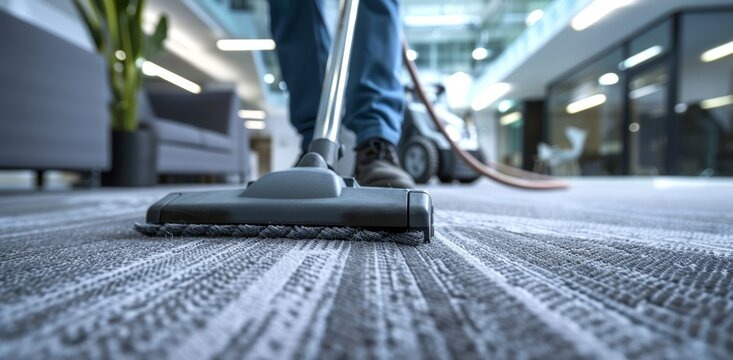
The most effective and most frequently neglected carpet maintenance tip is simple and costs nothing beyond time. Vacuuming removes dry soil particles before they work down into the pile and cut fiber strands from below. Soil left in carpet acts as an abrasive with every step, gradually cutting fibers and dulling the surface texture. Vacuuming at least twice a week in high-traffic rooms and weekly in lower-traffic bedrooms removes this threat before it causes permanent damage.
Use a vacuum with adjustable height settings appropriate for the pile height of your specific carpet. A beater bar or rotating brush helps lift deeply embedded particles in medium and high-pile carpets. Vacuum slowly enough for the machine to extract particles fully rather than rushing across the surface.
Spot Cleaning: Speed Is Everything
The effectiveness of any spot cleaning effort drops dramatically as time passes after a spill occurs. Fresh spills have not yet bonded with the fiber. Dried spills require more aggressive treatment and often leave some residual color or texture change even after cleaning.
Correct Spot Cleaning Technique
Blot the spill immediately with a clean dry white cloth. Press firmly and lift straight up. Do not rub or scrub since rubbing spreads the stain and pushes liquid deeper into the pile and backing. Work from the outer edge of the spill toward the center to avoid spreading it further.
Apply a small amount of a carpet cleaning solution formulated for your fiber type. Allow it to dwell for the time specified on the product label, then blot again with a clean cloth. Rinse the area with a small amount of cold water and blot dry. Place a dry towel weighted with something heavy over the area and leave it for several hours to wick remaining moisture from the pile.
Never use hot water on carpet spills as heat sets certain stains permanently. Never apply bleach to colored carpet. Avoid all-purpose household cleaners that are not formulated for carpet fiber.
Professional Deep Cleaning
Even with consistent vacuuming and prompt spot treatment, oily residue from foot traffic and airborne particles accumulate in the pile over time and cannot be removed by surface methods alone. Professional hot water extraction, sometimes called steam cleaning, is the most effective deep cleaning method for most residential carpet types.
Hot water extraction uses hot water and cleaning solution injected into the pile under pressure, then immediately extracted along with the dissolved soil. When done correctly it leaves minimal moisture in the carpet and removes the deep-set residue that regular vacuuming cannot reach.
Most carpet manufacturers recommend professional deep cleaning every 12 to 18 months in average-traffic homes and every 6 to 12 months in high-traffic homes or households with pets and children. Skipping professional cleaning for more than two years allows residue to build up to the point where it accelerates fiber wear and permanently dulls the carpet’s appearance.
For a broader seasonal approach to maintaining all floor types, read How to Maintain Your Floors in Different Seasons.
Practical Carpet Maintenance Tips That Extend Lifespan
Use Entry Mats at Every Door
A significant portion of the soil that ends up in carpet is tracked in on shoes from outside. Placing a quality mat outside and inside every exterior entry point removes this source of abrasive debris before it spreads through the home. Mats need to be shaken out or vacuumed regularly to stay effective.
Removing shoes at the door is the most effective single habit for reducing soil brought onto carpet. Grit from hard paving surfaces is particularly damaging because the angular particles cut fiber strands with every step.
Rotate Furniture Periodically
Heavy furniture compresses carpet pile permanently in the contact areas under legs. Over time these compressed spots look different from the surrounding pile and do not spring back. Rotating furniture placement every 12 to 18 months distributes the compression wear and avoids the permanent track marks that build up when heavy pieces never move.
Use furniture coasters or cups under heavy legs to distribute weight across a wider area and reduce the depth of compression at any single point.
Manage Moisture and Humidity
Carpet absorbs and retains moisture from spills, humidity, and condensation from cold windows and exterior walls. Retained moisture supports mold and mildew growth in the backing and padding, which produces odor, degrades the backing structure, and creates a hygiene problem that cannot be reversed without removing the carpet.
In humid climates or rooms prone to moisture, running a dehumidifier maintains conditions that are unfavorable for mold growth. Always ensure carpet is fully dried after any deep cleaning before placing furniture or rugs back over it.
Protect High-Traffic Paths
Hallways, stairs, and paths between frequently used doorways receive dramatically more traffic than the surrounding carpet. Placing a runner or narrow area rug over these paths protects the carpet beneath from the concentrated abrasion that would otherwise wear through it years ahead of schedule. This is particularly useful in rental properties and family homes where consistent carpet maintenance is harder to enforce.
For guidance on choosing the right carpet styles and fiber types from the start, see How to Choose the Best Carpet for Your Home.
Signs That Carpet Has Reached the End of Its Useful Life
Carpet durability has limits and knowing when a floor has genuinely reached the end of its life saves you from wasting money on cleaning that cannot reverse structural deterioration.
Matting and Crushing That Does Not Spring Back
When carpet pile stays flat after vacuuming and foot traffic, the fibers have lost their resilience permanently. This is most common in high-traffic paths and under furniture. Spot matting in a few areas can sometimes be improved by professional cleaning and grooming, but widespread matting across the floor indicates the fiber structure has broken down.
Permanent Staining
Stains that have been professionally cleaned multiple times and still show discoloration are permanent. Some stains from bleach, certain dyes, or substances that react chemically with the fiber cannot be removed without also damaging the fiber itself. When permanent stains cover a significant portion of the floor they signal replacement rather than further cleaning investment.
Odor That Persists After Cleaning
Persistent odors after professional cleaning indicate that the source of the smell has penetrated the backing and padding below the pile. Pet urine in particular penetrates quickly and is extremely difficult to fully neutralize once it has reached the padding. When odor cannot be resolved through cleaning, the carpet, padding, and sometimes the subfloor beneath need to be replaced to eliminate the source.
Visible Wear-Through
When the pile in high-traffic areas has worn down to the point where the backing is visible through the fiber, the carpet has reached its mechanical end of life. No maintenance or cleaning can restore worn-through pile. For guidance on when to replace your floor, read When Should You Replace Your Floors.
Matching Carpet Choice to Household Needs
For households with high foot traffic, pets, or children, selecting the right fiber from the beginning is the most impactful decision for long-term carpet durability. Nylon with a high pile density, a stain-resistant factory treatment, and a low to medium pile height in a patterned or textured style gives the best combination of durability, stain resistance, and ability to hide everyday marks.
For bedrooms and lower-traffic spaces where comfort and appearance are the priority, softer fibers like polyester or wool can be chosen with confidence knowing the traffic demands are much lighter.
Browse the full selection of carpet options available at Flooring Outlet & More to find the right fiber, density, and style for every room in your home.
Take Care of Your Carpet and It Will Take Care of You
How long does carpet last ultimately comes down to the combination of what you buy, how it is installed, and how consistently you maintain it. Carpet durability is not fixed at purchase. A mid-range nylon carpet with a dense pile, quality padding, and consistent carpet maintenance tips applied every week will outlast and outlook a premium fiber product that is vacuumed sporadically and professionally cleaned only once every five years. The investment in regular carpet cleaning and proactive care is always returned in years of extended useful life.
Frequently Asked Questions
Q: How long does carpet last on average in a residential home?
A: Most quality nylon carpet lasts 12 to 15 years in a well-maintained home. High-traffic areas like hallways and stairs typically show wear sooner, around 8 to 12 years. Bedrooms with lower traffic can last 15 to 20 years with consistent maintenance.
Q: What are the most effective carpet maintenance tips to extend carpet life?
A: Vacuum at least twice weekly in high-traffic areas, address spills immediately by blotting rather than rubbing, use entry mats at all exterior doors, schedule professional deep cleaning every 12 to 18 months, and rotate furniture periodically to distribute wear evenly across the surface.
Q: How often should professional carpet cleaning be done?
A: Most carpet manufacturers recommend professional carpet cleaning every 12 to 18 months for average-traffic homes. Households with pets, children, or high foot traffic benefit from cleaning every 6 to 12 months. Regular professional cleaning removes deep-set residue that accelerates fiber wear over time.
Q: Does carpet fiber type affect carpet durability significantly?
A: Yes. Nylon is the most durable residential fiber and resists crushing and matting better than polyester or olefin. Wool offers the longest lifespan of any fiber but at a higher cost. Polyester provides good stain resistance but mats faster in high-traffic zones than nylon at the same pile density.
Q: What causes carpet to wear out faster than expected?
A: Infrequent vacuuming allows abrasive soil particles to cut fibers from below. Skipping professional cleaning lets oily residue build up and accelerate wear. Inadequate padding reduces cushioning and stresses the backing. High foot traffic without protective runners or entry mats concentrates abrasion in the most vulnerable areas.